

Recycled Waste Propellers: One Of Our Stable Raw Material Supplies
Jun 23, 2026
These large waste marine propellers stacked in our factory yard serve as one of our core raw material sources of nickel-aluminum bronze casting. Supported by a complete system for waste propeller recycling and remelting, we continuously purchase retired and damaged propellers from ship dismantling yards and maintenance docks across coastal regions, establishing a circular raw material supply chain. This model effectively cuts procurement costs of virgin alloy materials while practicing eco-friendly manufacturing for marine equipment.
All recycled propellers are made of standard marine nickel-aluminum bronze, including mainstream Cu3 and Cu4 alloys specially designed for propellers, rich in valuable metals such as copper, nickel, aluminum and iron with high recycling value. We collect obsolete propellers of all sizes (4-blade, 5-blade types) from fishing boats, cargo vessels and large ocean-going ships from coastal dismantling yards, fishery maintenance terminals and shipping companies, ensuring a steady and sufficient supply of materials all year round. After delivery to our factory, standardized pretreatment will be carried out: forklifts transfer and sort the propellers first, steel hubs and fixing bolts attached to blades are removed, then marine growth, thick paint and rust layers on blade surfaces are polished off. Propellers of different alloy grades are stored separately to avoid material mixing that would impair finished product performance.
After sorting, each propeller will be tested for alloy composition by an XRF fluorescence spectrometer to strictly control raw material purity. Large propeller bodies are cut into pieces and sent to induction furnaces for high-temperature smelting and purification. Degassing and slag removal processes are conducted during melting, and the refined alloy is finally cast into nickel-aluminum bronze ingots that meet classification society standards, which are directly fed into the casting production line for brand-new customized propellers. The recycled alloy after remelting delivers nearly identical cavitation resistance and corrosion resistance compared to virgin bronze ingots. Custom propellers manufactured from recycled materials fully comply with international survey standards of CCS, BV, RINA and other societies, with a service life of over 10 years.
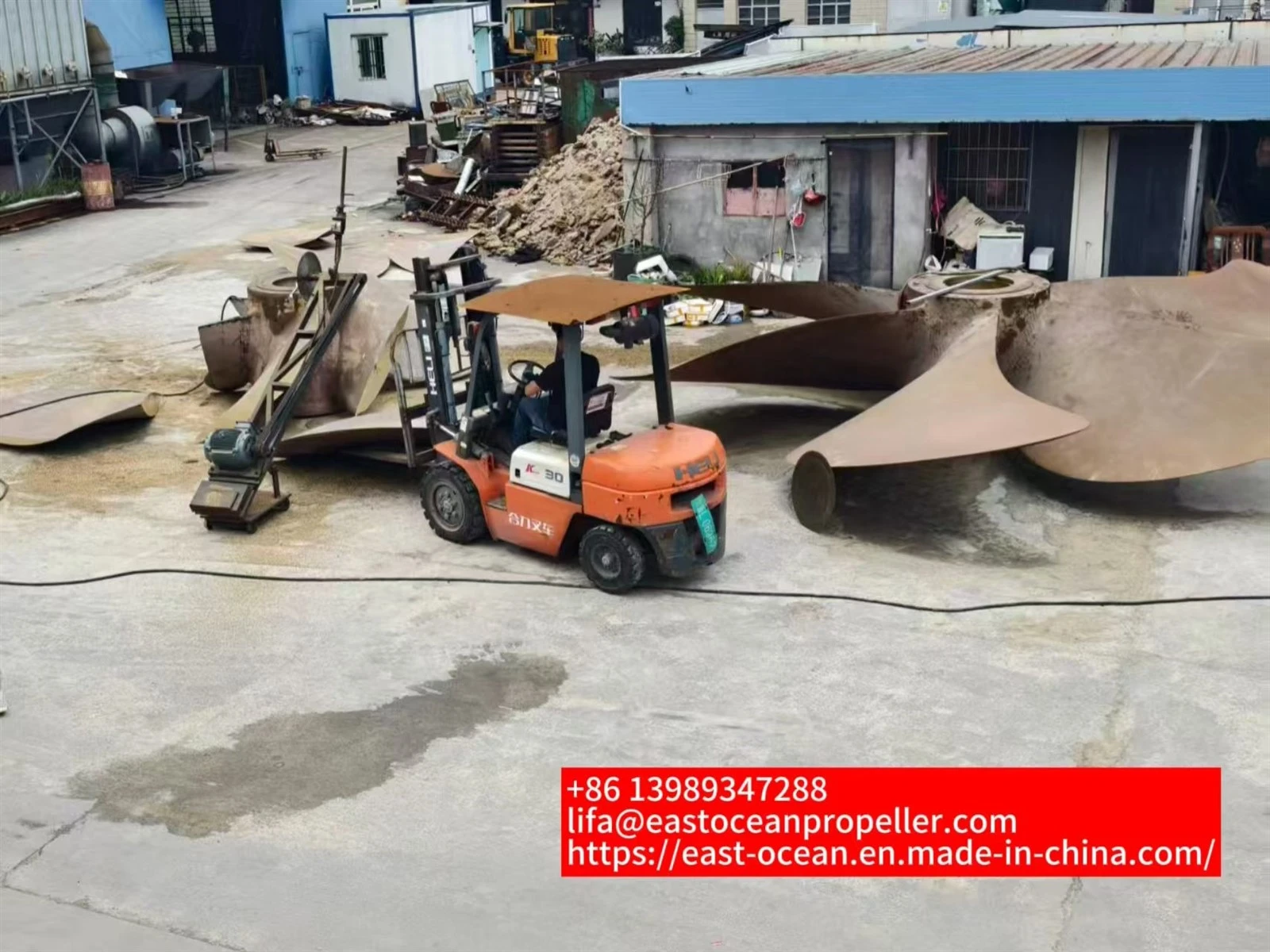
The recycling model brings us two major advantages. On one hand, it greatly reduces the purchase volume of brand-new nickel-aluminum bronze ingots, lowers the production cost of customized propellers, and delivers cost-effective products to clients. On the other hand, we launch a trade-in service for old propellers. When vessel owners order new customized propellers, their worn-out old propellers can be used to deduct payment, easing their procurement expenditure for vessel operation. This service has won recognition from numerous long-term ship owners in Southeast Asia and the Middle East.
Compared with smelting virgin mineral ores, remelting waste propellers consumes far less energy and drastically reduces resource depletion and pollutant emissions. Over our 24 years of marine propeller manufacturing, recycled waste propellers have remained a reliable supplementary source of raw materials. We balance production efficiency and environmental responsibility, building unique competitive edges for our customized marine propellers in both cost and quality.
You Might Also Like
-

Corrosion-Resistant Marine Hardware Nickel Propeller-5 Bl...
-

Durable Corrosion-Resistant Marine Propeller 5 Blades Alu...
-

Marine Hardware Parts Competitive Aluminum Nut Matched Pr...
-

Marine Hardware Scratch & Wear Resistant Passenger Seat F...
-
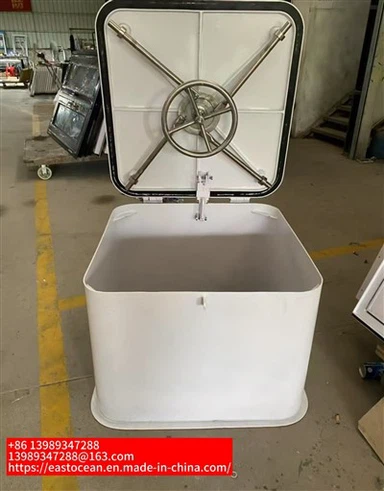
Marine Hardware Handwheel Operate Light Duty Aluminum Rai...
-
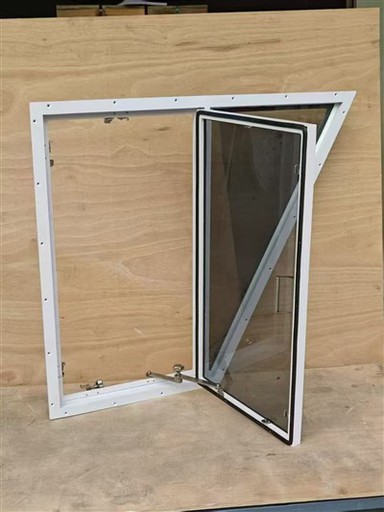
Marine Hardware Customized Trapezoidal Window For Yacht B...