

Penetrant NDT Inspection Process For LIFA Marine Propellers
Jun 15, 2026
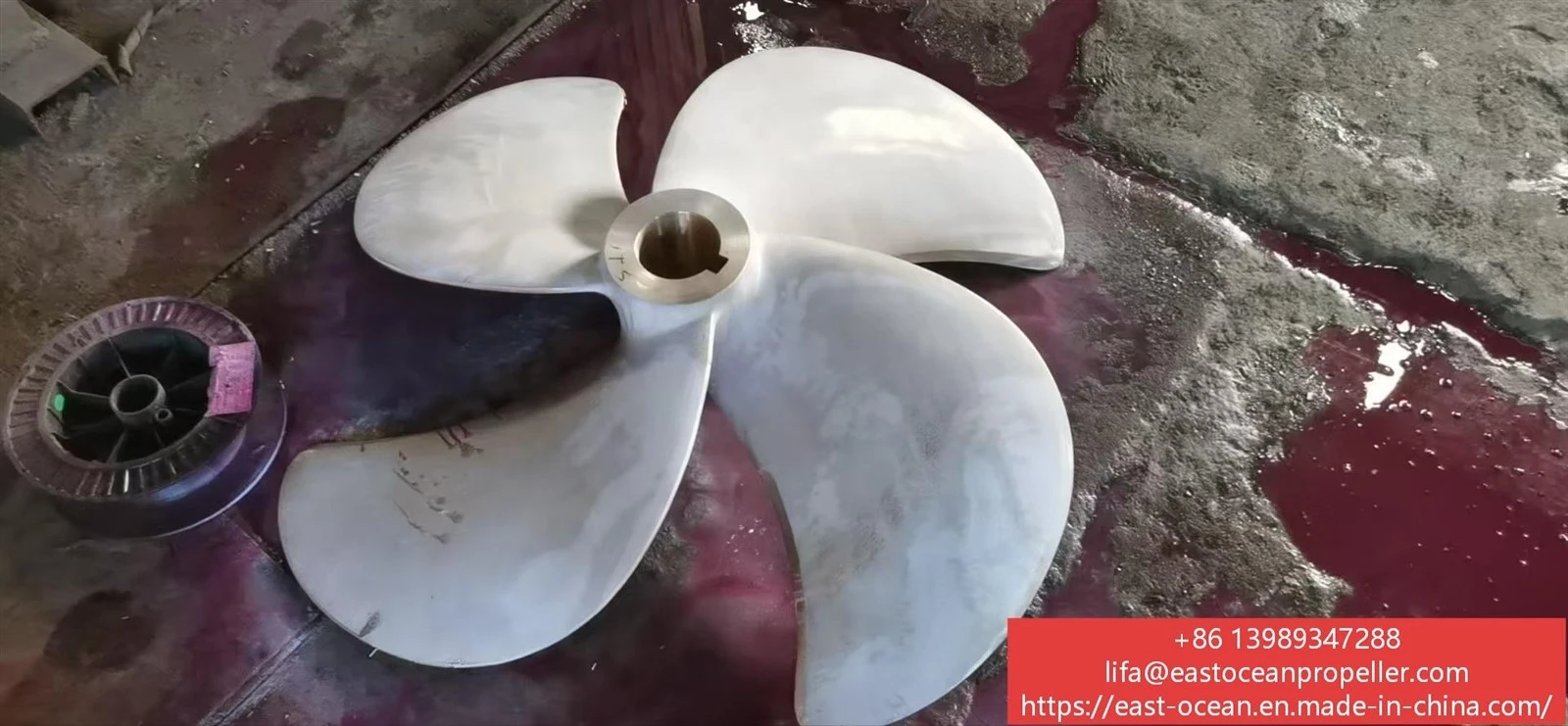
At LIFA Propeller Manufacturing Factory, every marine propeller undergoes penetrant non-destructive testing after integral casting and precision machining. As an indispensable key step in the production process, it directly determines the structural integrity and fatigue resistance of propellers, guarantees reliable long-term service in seawater conditions, and acts as a critical quality inspection checkpoint under our rigorous quality control system.
Many people assume bronze propellers have no hidden flaws once machined and shaped. However, during the casting of nickel-aluminum bronze and blade grinding, tiny invisible defects such as microcracks, minor porosity and sand holes easily form at blade roots and hub joints. These seemingly trivial internal and surface defects expand rapidly under continuous water impact, cavitation vibration and cyclic stress during navigation, leading to accelerated corrosion, blade cracking, reduced structural strength and drastically shortened service life. Long-term operation with defective propellers raises the risk of sudden breakdown at sea and incurs high maintenance costs. Therefore, rigorous penetrant inspection is essential to eliminate potential structural safety hazards in advance.
 |
|
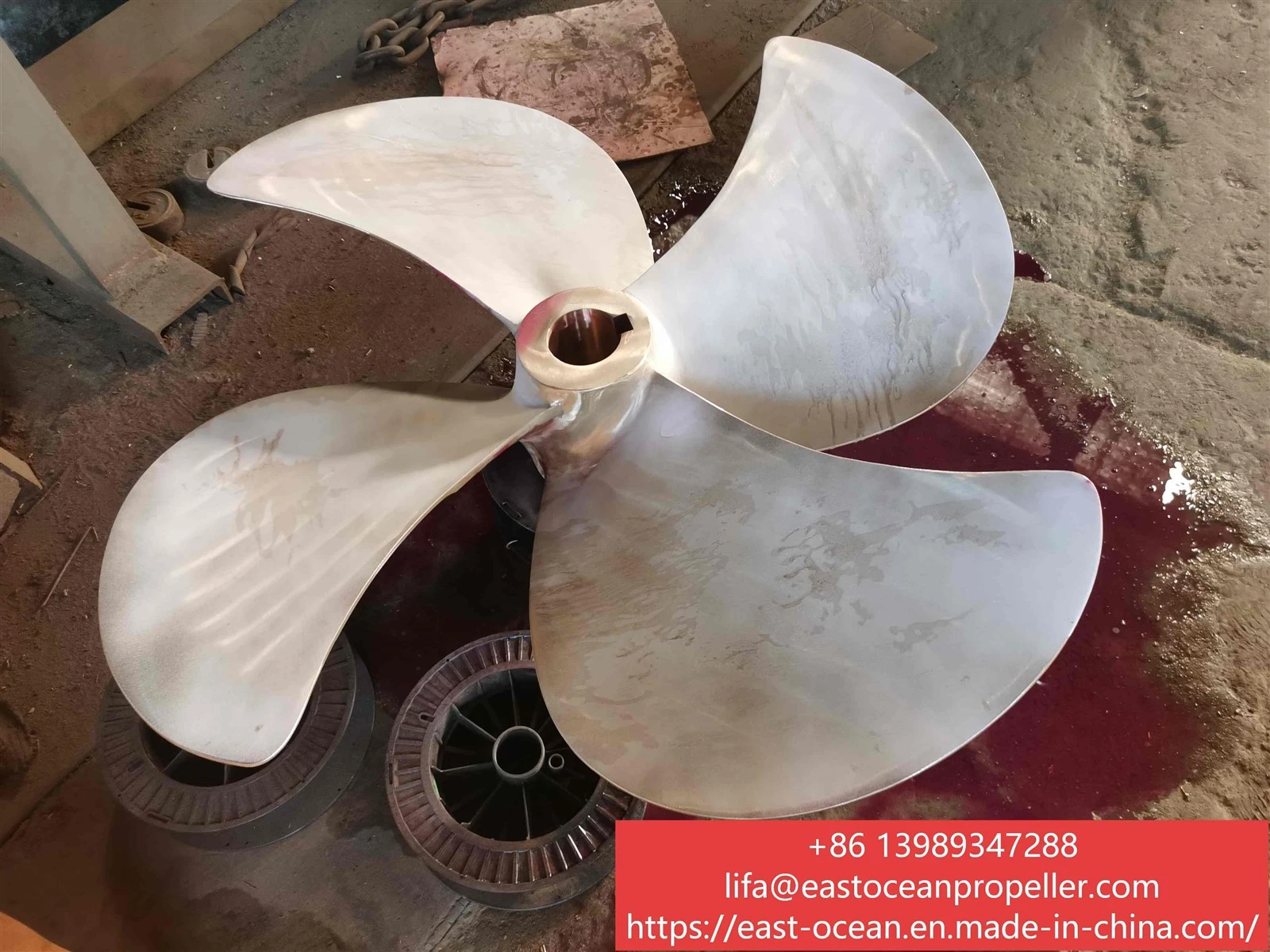
Our factory adopts penetrant testing procedures compliant with marine industry standards. The propeller is thoroughly cleaned of protective film, grease and grinding dust beforehand. Certified technicians evenly coat qualified red penetrant across all blade surfaces, blade-hub transition areas and the inner bore of the hub, leaving sufficient dwell time for the liquid to seep into tiny defect gaps. Excess penetrant on the surface is gently wiped off without disturbing liquid trapped inside crevices, followed by a thin, uniform spray of white developer, which makes defect marks clearly visible under strong lighting.
Seasoned inspectors mark each indication one by one and assess the size and location of defects against marine standards. Ultra-fine porosity spots within tolerance limits require no rework. If harmful out-of-limit defects such as microcracks are detected, repair welding and precision grinding will be performed, after which the entire propeller will go through a full round of penetrant retesting. Secondary verification is mandatory after any repair work to eliminate residual hidden damage.
|
|



You Might Also Like
-

Lifa Design Customized High-Efficiency Fixed Pitch Corros...
-

Marine Steel Durable High Strength Watertight Hatch Cover...
-

Marine Special Shaped Windows For Yacht Boat Shipping Fer...
-

Marine Lightweight Aluminum Alloy Double-Leaf Door For Bo...
-

Marine Lightweight Windows For Yacht Boat Shipping Ferry ...
-

A Process Marine Hardware Aluminum Nickel Bronze Propelle...