

Pitch: The Efficiency Code Of Propellers
Nov 26, 2025
In the production workshop of nickel-aluminum bronze propellers, what captures people's attention most is not the luster of the metal, but a set of numbers precise to the millimeter-pitch. This seemingly ordinary geometric parameter holds the "efficiency code" for a ship's navigation and is the key to transforming a propeller from a steel component into a core power unit.

The essence of pitch is the "ideal step length" of a propeller per full rotation, analogous to equipping a ship with a suitable "gear". For propellers customized for coastal transport ships, the designed pitch is usually around 420mm-a value that maximizes fuel efficiency for heavily loaded ships during low-speed navigation. For high-speed propellers used in yachts, a 380mm pitch serves as the golden standard for balancing thrust and rotational speed, preventing engine overload while reducing navigation noise.
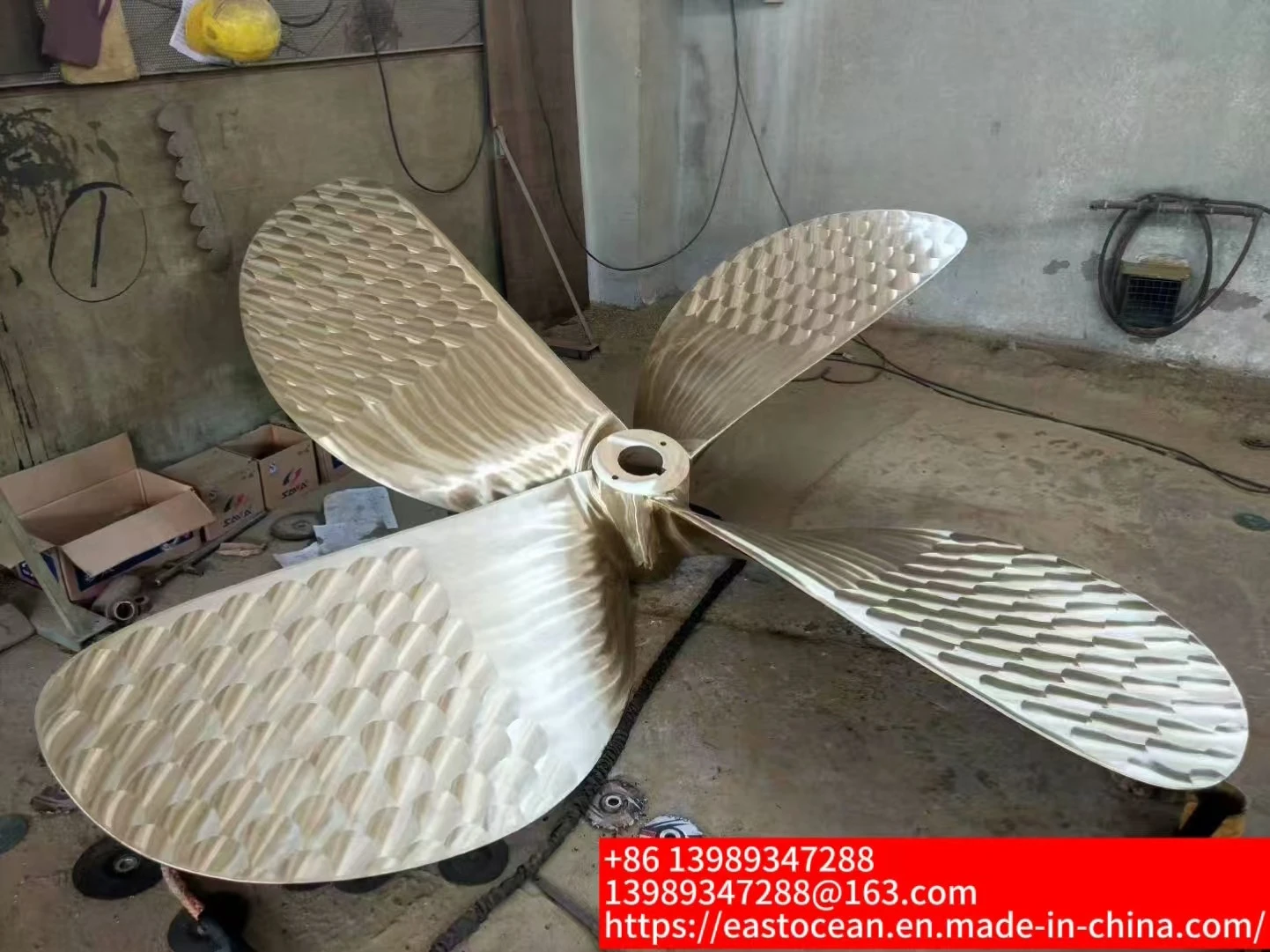
A tiny difference of millimeters holds enormous significance. Once, a propeller blade for a transport ship had a measured pitch at the 0.6R section that exceeded the design value by 0.3mm. Though it did not exceed the classification society's standards, we still spent the night grinding and adjusting it. Data has long proven that every 0.1mm deviation in pitch can increase a ship's annual fuel cost by tens of thousands of yuan. Finally, the blade was truly qualified only when the value stabilized at 420.0±0.05mm.
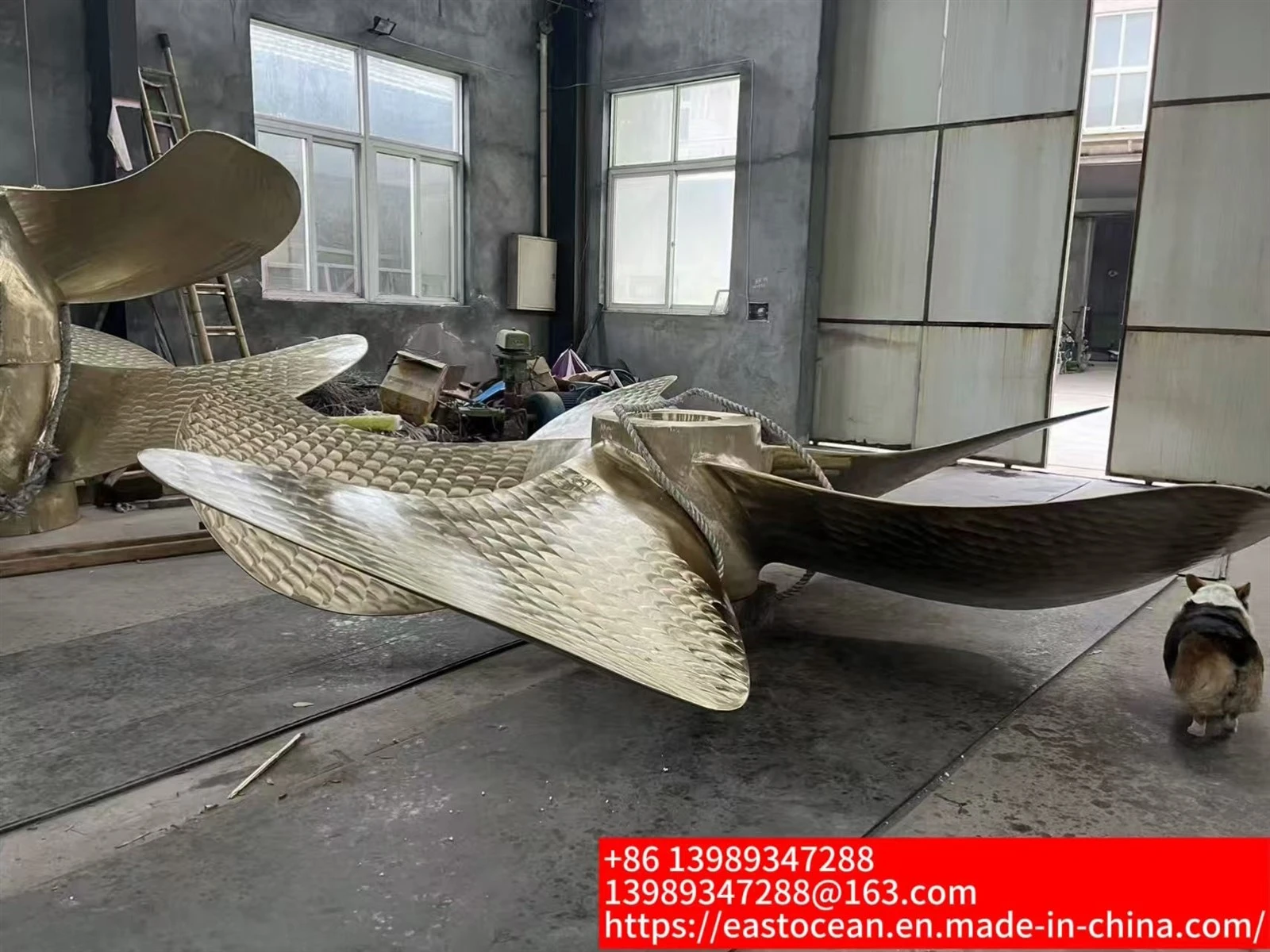
For ocean-going ships, pitch is even more of a "hidden fuel-saving engine". Last year, when we customized propellers for fishing boats, we controlled the pitch accuracy within ±0.08mm. After delivery, the customer reported a 6% increase in propulsion efficiency and nearly 2 tons of fuel saved per voyage. Behind these figures lies the remarkable ability of pitch to efficiently convert the engine's mechanical energy into axial thrust.
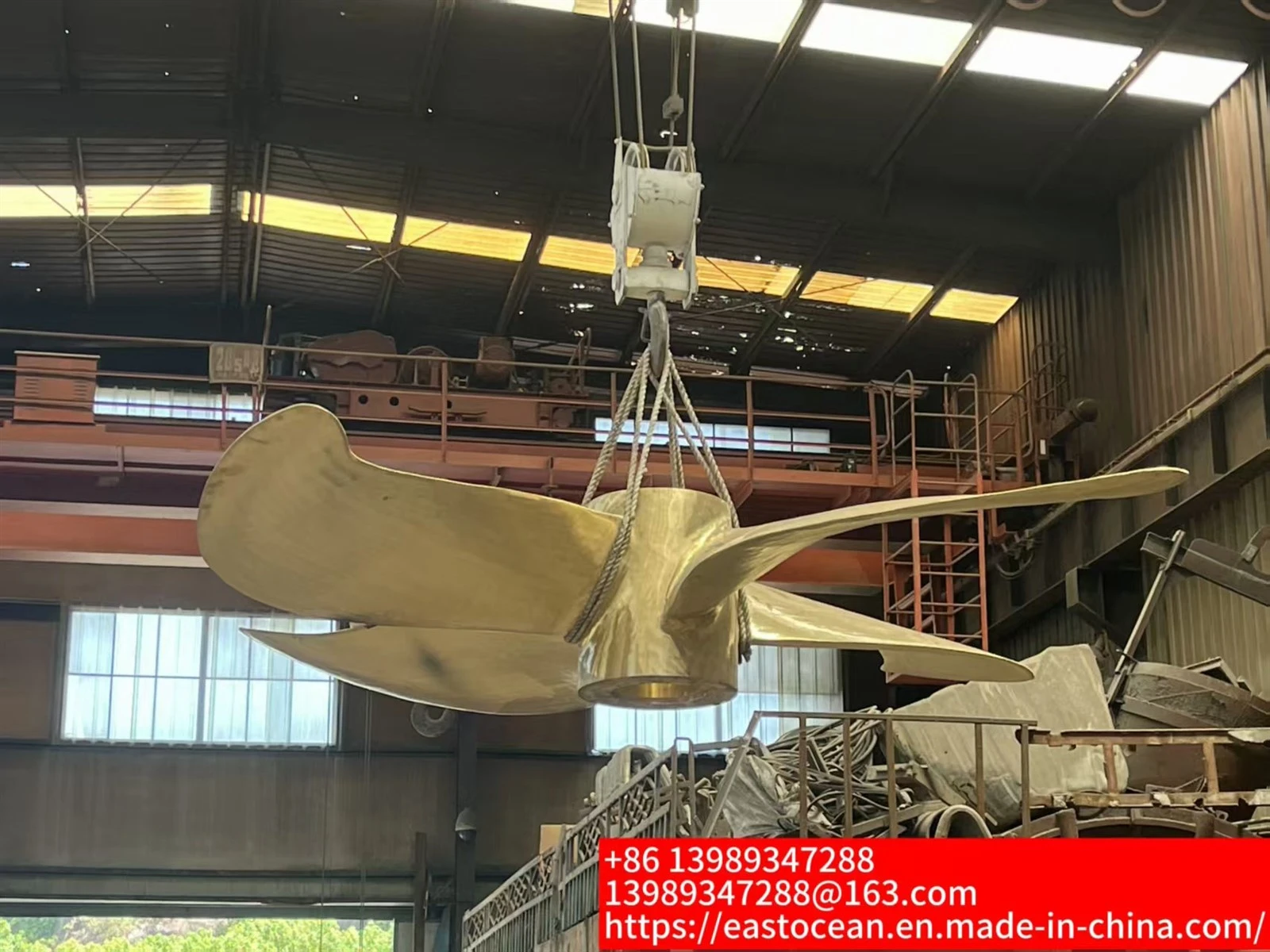
In the constant-temperature testing workshop, the probe of the measuring instrument touches the propeller blades repeatedly, as if deciphering the navigation future of the ship. Pitch has never been a cold number; it is the craftsmen's commitment to precision, a power guarantee for every ship, and even the universal language through which propellers communicate with the ocean.