

Introduction To The New Propeller Blade Type
Feb 05, 2026
Today, we introduce a new propeller blade type. Developed based on modern marine engineering technology and bionic design concepts, this blade type is tailor-made for various commercial ships, fishing vessels and engineering ships. It mainly solves the pain points of traditional propellers such as low propulsion efficiency, high energy consumption and weak anti-cavitation performance, while balancing high efficiency, energy saving, durability and reliability. It is suitable for a variety of complex navigation conditions and provides a new solution for improving the quality and reducing the cost of ship operation.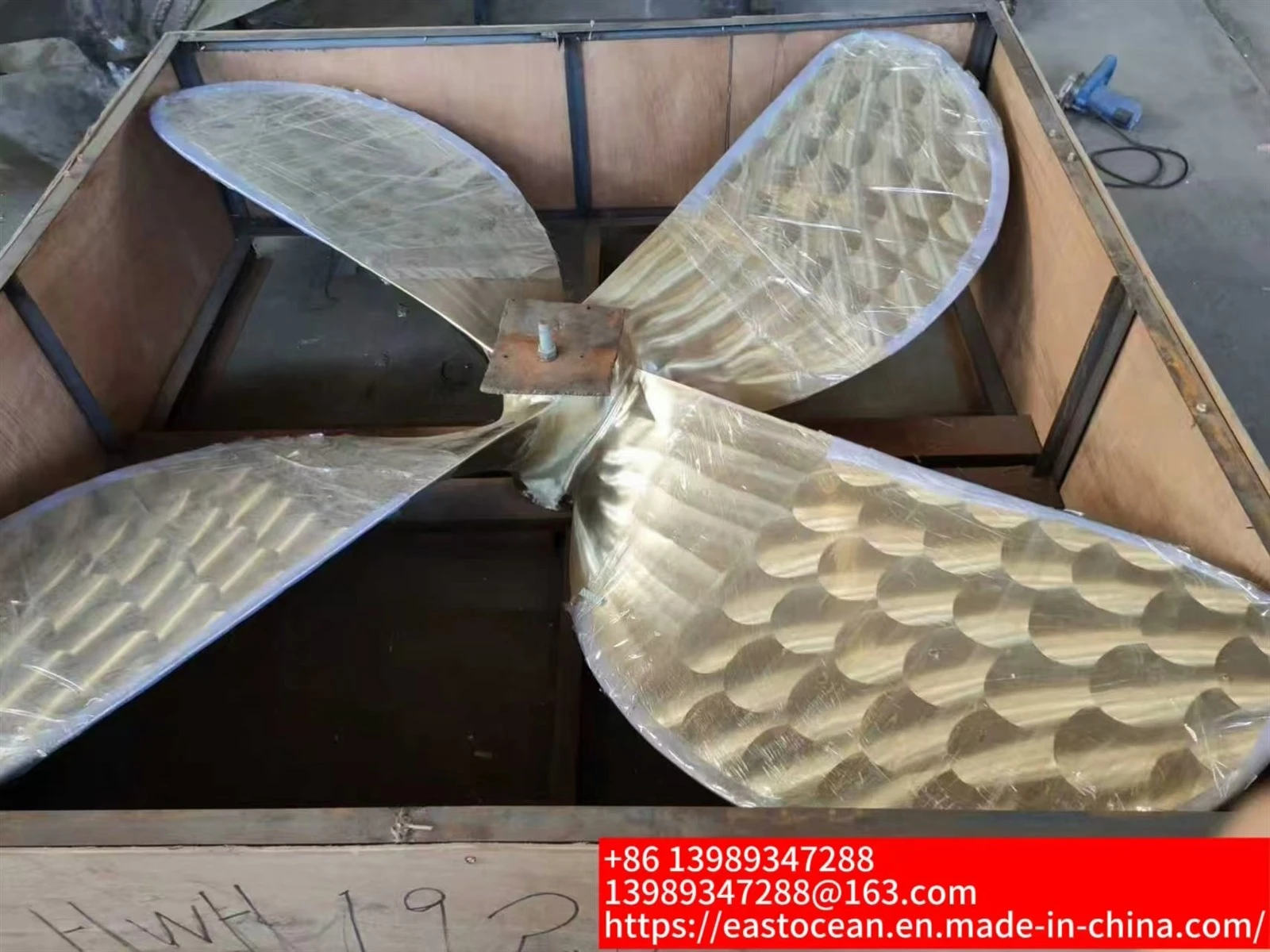
The most prominent design feature of this new Lifa propeller blade type is the adoption of a bionic blade section structure based on the shape of a dolphin's dorsal fin. It breaks the single design idea of traditional blade types based on classical fluid mechanics. By imitating the smoothly transitional shape of a dolphin's dorsal fin to optimize the blade section curve, the water flow can adhere to the surface more smoothly when passing through the blade, greatly reducing the boundary layer separation phenomenon and energy loss, thereby significantly improving the propulsion efficiency - compared with traditional conventional blade types, its propulsion efficiency can be increased by 5%-20%. In the long-term navigation, it can save considerable fuel costs for shipowners, conforming to the development trend of environmental protection and energy saving in the current shipping industry.

In terms of blade structure design, this new product balances the dual requirements of aerodynamic performance and structural strength. The blade section is divided into the blade back and the blade surface. The blade back is equipped with a unique dorsal fin part, which is composed of a continuous ascending section and a downward bending section, forming a reasonable geometric mutation in a specific blade width range. It not only optimizes the water flow permeability, but also enhances the anti-cavitation capacity of the blade. When the propeller operates at high speed, it can effectively inhibit the generation of cavitation, reduce the impact force of cavitation collapse on the blade surface, avoid blade wear and corrosion, and extend the service life. This has also been verified by practical applications - propellers of the same series of materials produced in 2015 can still operate stably after being returned to the factory for maintenance, while this new blade type has more advantages in wear resistance and corrosion resistance.
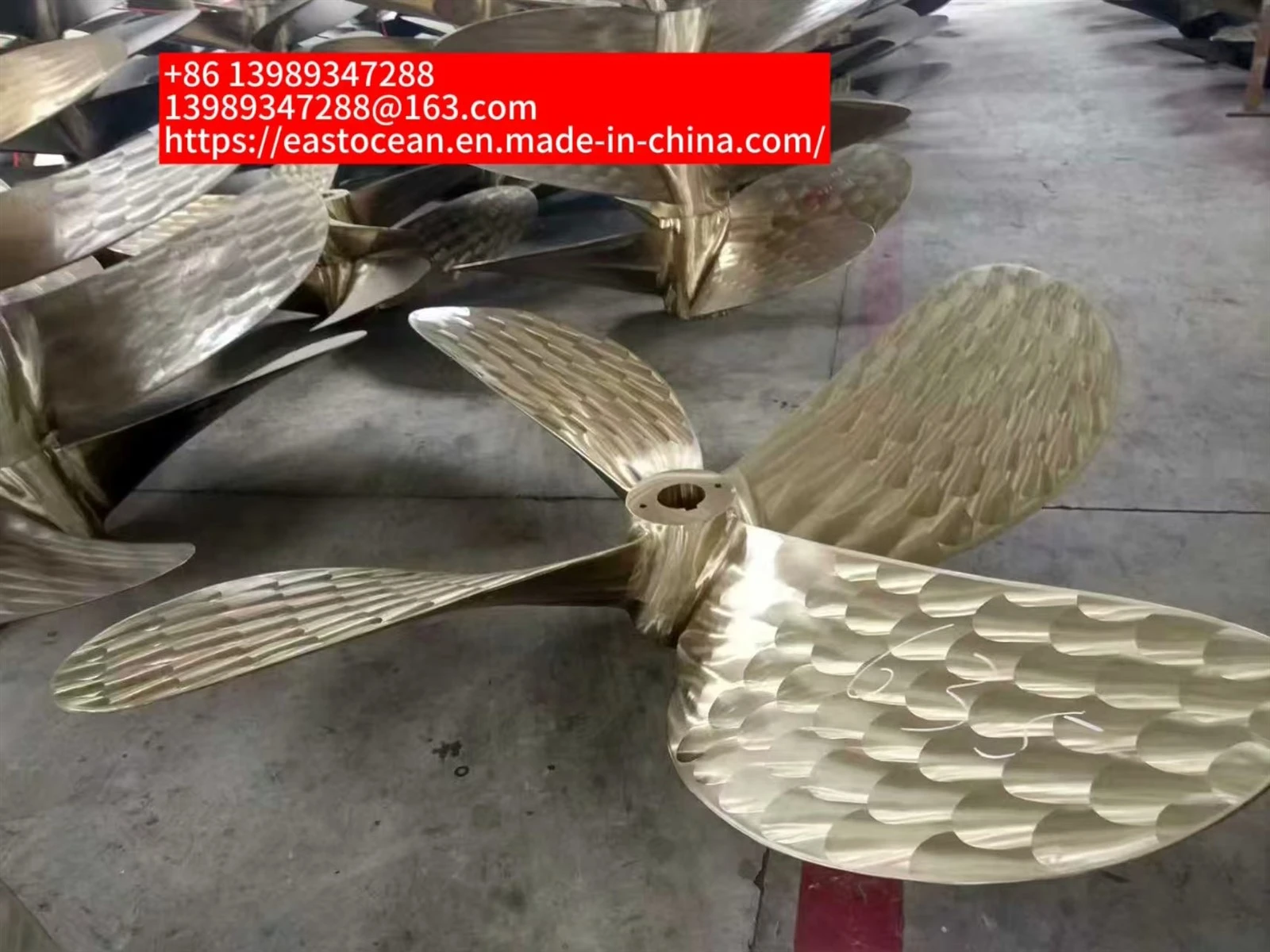
At the same time, the blade adopts a gradient torsion design from the blade root to the blade tip, following the scientific principle of "thick root and thin tip": the blade root area adopts a thicker high-strength airfoil to bear large structural loads and improve overall stability; the middle area adopts a medium-thickness airfoil to balance lift and resistance and optimize power transmission; the blade tip area adopts a thinner low-resistance airfoil to reduce water flow interference and aerodynamic resistance. At the same time, it is matched with a smooth curve transition to further reduce navigation vibration and noise, improve the comfort of crew navigation, and also reduce hull fatigue damage, adapting to the needs of ships with long-term and high-frequency navigation.

In terms of material and process adaptation, this new blade type is only matched with marine-specific materials such as high-corrosion-resistant copper alloys (e.g., nickel-aluminum bronze). The surface can be specially anti-corrosion treated according to requirements, which can effectively resist the erosion of complex marine environments such as seawater salt spray and sediment impact, and is not prone to deformation, fracture and other problems. In addition, the blade type design is compatible with various operation methods such as single-lever quick-action and hinged type, and the clear size and installation method can be adjusted according to the specific specifications of the ship. It can also adapt to the requirements of classification society certification. If CCS, RINA and other classification society certificates are required, it can cooperate with the relevant testing processes simultaneously.
Compared with traditional propeller blade types, this new Lifa propeller not only achieves breakthroughs in propulsion efficiency (increased by 5%-20%) and energy-saving effect, but also has more prominent comprehensive cost performance - it can directly save operating costs by reducing fuel consumption and maintenance frequency, and ensure ship navigation safety with stable performance. It is suitable for supporting needs of different areas such as void spaces and diesel tanks, and is widely used in various types of ships such as commercial ships, fishing vessels and engineering ships. Whether it is new ship construction or old ship upgrading and renovation, this new Lifa propeller blade type can be perfectly adapted, injecting new efficiency advantages into ship operation.